How a Stage Magician Invented Peacocking
A magician cannot wait quietly for an audience to notice him. Mystery turned that old problem into a social strategy — and made the outfit itself open the conversation.
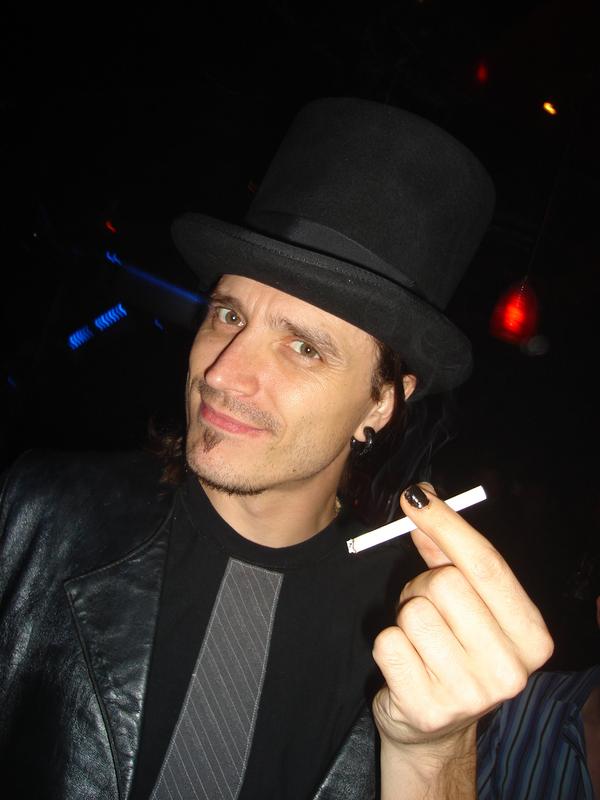
The top hat was not chosen because it looked normal. Mystery had worked as a magician, and magicians understand that attention is not an accidental reward: it is the first condition of a performance. In a crowded room, the costume created a question before he had to create a sentence.
From stagecraft to social strategy
“Peacocking” named the use of conspicuous clothing or accessories to become easier to notice and easier to approach. A necklace, unusual coat or pair of goggles could provide what social anxiety often lacks — an obvious subject with which a stranger could begin.
That makes the idea subtler than “dress loudly.” Good stage costume tells the audience what kind of attention is invited. The same object could signal playfulness in one room and insecurity in another. If the wearer could not carry the attention after receiving it, the device exposed rather than concealed the gap.
Make interaction easier to begin. A visible interest, a well-chosen object or an environment you genuinely enjoy can perform the same function without becoming a disguise.
Why the image lasted
Peacocking survived because it was photographable. A philosophy of conversation is difficult to put on a book cover; a man in a top hat and goggles explains himself in one frame. It also anticipated the age of personal branding, when an instantly recognisable silhouette can travel farther than a nuanced method.
The danger is obvious: attention can become the goal instead of the entrance. Mystery's broader story — from stage magic to television and an AI collaborator — shows how a device for opening conversation can grow into a persona with its own momentum.
The costume could open the door. Only the person inside it could decide what happened next.